

10 Estate Planning Questions to Ask Your Lawyer
Why Should You Create an Estate Plan?
Every individual has assets they hope to pass on to future beneficiaries. Estate planning prepares a strategic legal and financial framework for handling and distributing an individual’s assets according to their wishes in the event of incapacitation or death. Estate planning is essential to document your wishes and ensure that your estate and assets are handled accordingly. It is a wise financial step for everyone, particularly for wealthy individuals. AVGI presents 10 estate planning questions to ask your lawyer as you work on creating a sound estate plan to secure your future.

1. Why is Estate Planning So Important?
Estates of individuals who pass on without leaving formal documentation of their wishes are often held up in court probate processes for years. Unfortunately, loved ones often suffer the consequences of assets tied up in court and family friction caused by court decisions that may not align with the wishes of the deceased. Furthermore, high-value estates are most likely to be obligated to pay estate taxes. With high federal estate tax rates (between 18-24%) strategic tax planning is necessary to avoid overtaxation and preserve as much wealth as possible for heirs.
Why Ask?
Ask your lawyer this question so they can explain the impact of estate planning on your particular situation. Since the makeup of each person’s assets and estate differs, it’s worthwhile to understand the value of spending time and money on your personal estate planning.
2. What estate planning documents do I need?
Most Americans are unaware of how easy it is to start planning their estate. While all of the following documents are highly recommended to build a robust estate plan, the most basic document is just a will, which you can draft on your own without a lawyer (preferably typed, not handwritten). You’ll need to sign it in front of 2 witnesses who are not beneficiaries of the will, who also need to sign the will. It is highly advisable to have a lawyer look over your will before finalizing it, as they can guide you on best practices and common pitfalls to avoid. Here are several estate planning documents that make a solid estate plan.
Will
A will outlines your wishes on how your assets should be distributed upon death. You can also appoint guardians for minor children in your will.
Trusts
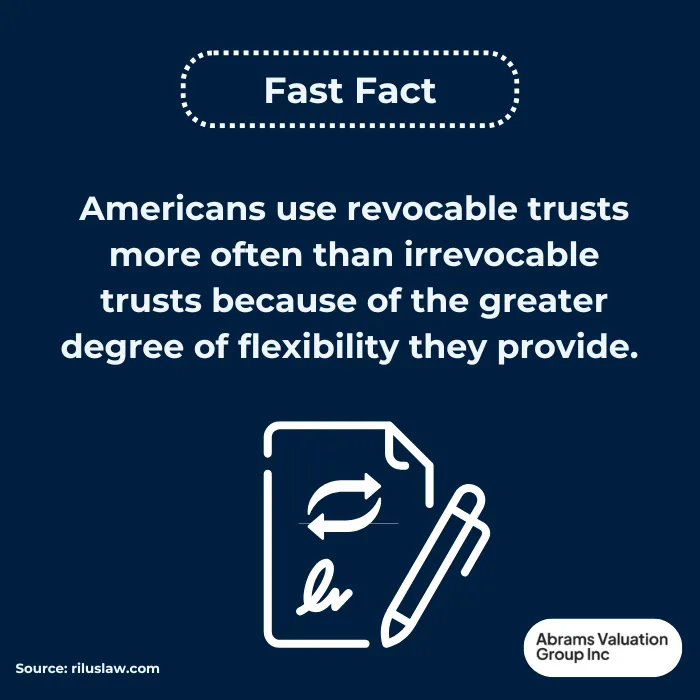
A trust allows for the management and distribution of assets during one’s lifetime and after death, bypassing probate court. This can streamline the will’s execution process and allow the estate’s beneficiaries to maintain privacy. Probate processes can stretch on for years and become public record, often inviting unwanted publicity. A trust can be revocable or irrevocable and can be used to minimize estate taxes and avoid probate. Your lawyer can assist you in setting up a trust to manage assets for beneficiaries who are minors, have special needs, or are otherwise incapable of making sound financial decisions on their own.
Trusts can also protect assets from lawsuits and being seized by creditors, depending on the type of trust and how it is set up. Several types of trusts exist, including revocable living trusts, charitable remainder trusts, and others. Each has its pros and cons and may not all apply to your situation. Discuss the types of trusts most beneficial to your estate with your attorney.
Power of Attorney
This document designates a specific individual to handle financial matters if you are incapacitated.
Healthcare Directive
This outlines your medical treatment preferences and appoints a healthcare proxy to make medical decisions on your behalf if you are incapable of making decisions for yourself.
Beneficiary Designations
A beneficiary designation allows you to document your wishes for who should receive specific assets such as retirement accounts, life insurance, and other assets.
3. What is the difference between a will and a trust?
A will outlines how your assets will be distributed after your death, while a trust can actively manage your assets during your lifetime and after your death, often allowing for more privacy and potentially avoiding probate. Discuss the differences in-depth with your estate planning lawyer to gain a clear understanding of your personal needs and whether you need just one or both documents as part of your estate plan.
4. What are the benefits of creating a living trust?
A living trust allows you to manage your assets while you’re alive and provides for a smooth transfer of those assets upon your death. This can often help avoid probate, maintain privacy, and reduce administrative burdens. The main difference between a living trust and a will is that a will only takes effect after your death, while a living trust is active during your lifetime. The living trust can be used to manage your financial and legal affairs should you become incapacitated. This makes it an effective estate planning tool for ongoing asset management.
A living trust differs from a regular trust primarily in its flexibility and revocability. A regular trust, often irrevocable, usually cannot be altered once established, which might be suitable for specific estate planning needs like minimizing taxes or protecting assets from creditors. On the other hand, a living trust is typically revocable, allowing you to modify or dissolve it as your personal circumstances change. This adaptability makes living trusts an appealing option for those who desire control over their assets throughout their lifetime.
Moreover, a living trust can bypass the probate process, unlike a will, which must go through probate court, potentially subjecting your estate to public scrutiny and delays. This privacy aspect of living trusts can be particularly advantageous for individuals who wish to keep their financial affairs confidential. Discuss the benefits and limitations of each option with your estate planning attorney to determine which best suits your estate planning needs.
5. How can I minimize estate taxes for my heirs?
There are several strategies to minimize estate taxes; we’ve listed a few briefly here. An estate attorney and tax advisor can provide tailored advice based on the most recent tax laws and your estate planning needs.
Strategically Minimizing Estate Taxes
- Various gifting strategies to reduce estate tax liability.
- Charitable donations or setting up charitable remainder trusts can minimize estate taxes.
- Leveraging tax-deferred accounts, such as retirement accounts, to reduce estate taxes.
- Investing in life insurance policies to provide liquidity to pay estate taxes.
- Creating a comprehensive estate plan to minimize estate taxes.
6. What happens if I die without a will (intestate)?
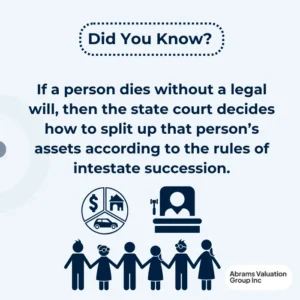
If you die intestate, your assets will be distributed according to state law, which may not reflect your wishes. This can also lead to complexities and disputes among family members, causing unnecessary and unfortunate tension and strife during an emotionally stressful period.
It’s good to include this topic along with your other estate planning questions so you can gain a deep understanding of the worst-case scenario.
7. How do I choose an executor or trustee?
An executor or trustee to your will and/or estate should be someone you trust who is organized and capable of handling financial and legal matters. Draw up a list of potential candidates to be your executor, along with pros and cons of each candidate. Some potential ideas to include are close siblings, cousins, and trusted friends. Discuss the options with your attorney, as they may be able to provide a sound external opinion as to which candidate seems best suited to the role of executor, as they can be more impartial. You should discuss your choice with the executor candidate to ensure they are willing and able to take on the responsibility.
8. Can I change my estate plan as my life circumstances change?
Yes, you can and should update your estate plan as your life circumstances change—such as marriage, divorce, birth of children, or changes in financial status. Discuss your need for flexibility with your estate planning attorney, as certain decisions, like irrevocable trusts are not reversible and cannot be changed as circumstances change. Other options may offer more flexibility, so it’s important to discuss all the options as well as your priorities to produce an estate plan that best fits your needs.
9. How can I ensure that my healthcare decisions are honored?
Ensuring that your wishes regarding important healthcare decisions, particularly regarding end-of-life matters are documented You can create a healthcare proxy or advance directive, which allows you to designate someone to make medical decisions on your behalf if you cannot do so. Discuss with your attorney potential medical decisions to consider and include in these documents.

10. What should I consider when planning for digital assets?
Address all digital assets, including online accounts, cryptocurrencies, and other digital-first assets in your discussion with your lawyer. should be included in your estate plan. You should provide instructions on how to access and manage these assets as part of your overall plan.
These questions can help guide your discussions with a lawyer and ensure your estate planning is as effective and personalized as possible.
Reviewing and Updating Your Estate Plan
Once you’ve made your estate plan, it’s important to review it with your estate attorney every so often, around every 5-10 years at a minimum. The purpose of reviewing is to ensure that all documents and decisions still align with your wishes and reflect your current financial and personal situation. Important life events, such as marriage, divorce, the birth of a new child, or taking on other dependents (such as a foster/adopted child, elderly parent, etc.) should also trigger a review of your estate plan, as these life events may change the beneficiaries you wish to include.
Furthermore, as tax laws change with new policies, it’s essential to review your estate planning strategy to ensure that it remains tax-savvy. Emerging policies may render older tax strategies obsolete, and failing to update your estate plan to reflect that can leave your assets unprotected.
AVGI has been engaged on many estate valuation projects for estate planning and estate and gift tax purposes. Our team of valuation experts brings 30+ years of valuation expertise to every assignment, which has saved clients hundreds of millions of dollars in estate and gift taxes. Contact AVGI today for a free estate planning consultation.


