

What is the Collectible Tax Rate? Key Insights for Collectors
Amassing a collection of artwork, baseball paraphernalia, or limited edition coins can be a fulfilling hobby, but it may also have tax implications. If you sell items from your collection, you may be obligated to pay taxes if you sold the collectible for more than you bought it for. If you want to donate your collectibles to charity, you may be eligible for a tax deduction. AVGI appraisers break down collectible tax rates, when they might apply, and what you need to know about your collectible taxes.
How Are Collectibles Taxed?
The IRS considers collectibles alternative investments, which are subject to capital gains and losses. That means the most common tax obligation regarding collectibles is capital gains tax. This tax applies to the profits from the sale of collectibles if you sold it for more than you bought it. Collectors are liable to pay capital gains taxes on many types of collectible tangible personal property, such as art, antiques, and precious metals.

Capital Gains Tax Rates for Collectibles
The collectible tax rate for selling a collector’s item at a profit will depend on how long the collector held the item before selling it. If the collector sold the item less than 1 year after acquiring it, it is considered a short-term capital gain. If they sold the item 1 year or more after acquiring it, then it is a long-term capital gain. Unfortunately for collectors, long-term capital gains from collectibles are taxed at a maximum tax rate of 28% (higher than other capital assets like stocks).
On the flip side, short-term capital gains from collectibles are taxed as ordinary income, with rates from 10% to 37%, depending on the collector’s tax profile. The Internal Revenue Code defines collectibles taxes and outlines the tax rules applicable to them.
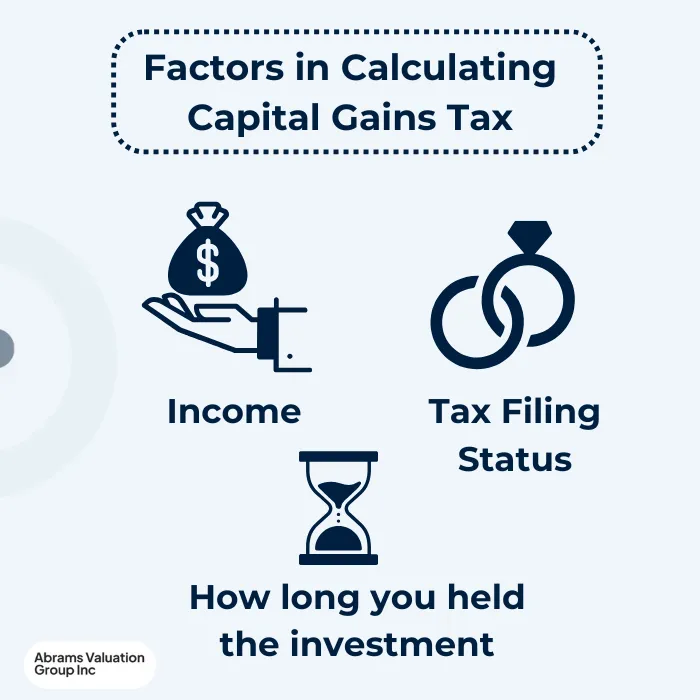
The capital gains tax rate applies to net capital gains, which are the excess of long-term capital gains over short-term capital losses. For example, imagine a collector who sells a rare baseball card for a long-term capital gain of $10,000, having held it for more than a year. In the same tax year, the collector also sells a vintage comic book he held for less than a year at a short-term capital loss of $3,000.
The collector’s net capital gain would be $7,000 ($10,000 long-term gain minus $3,000 short-term loss). This $7,000 net gain is subject to the collectible tax rate, which can be as high as 28% for long-term gains on collectibles, potentially resulting in a significant tax obligation of $1960. Offsetting gains with losses like this can reduce the overall taxable amount, highlighting the importance of tracking both gains and losses from various collectible sales within the same year.
Understanding the tax implications of collectibles and employing tax planning strategies is crucial for collectors to minimize their tax liability and maximize their returns.
Determining Fair Market Value
It is crucial to accurately determine the fair market value of the collectibles in order to establish whether there has been a capital gain or capital loss from the sale of a collectible. Capital gains and capital losses are calculated based on the difference between the fair market value and the adjusted basis of the collectible. The fair market value of a collectible is its current market value, which can be determined through appraisals by a qualified appraiser or sales of similar items. Accurately determining the fair market value is essential for tax purposes, including calculating capital gains tax and claiming charitable deductions.

Example: Calculating Fair Market Value
You own a rare collectible coin that you originally purchased for $2,000. Over time, you have spent $200 on restoration and authentication services, making your adjusted basis $2,200. Recently, you had the coin appraised by a certified appraiser, who determined its fair market value to be $5,000 based on recent sales of similar coins. If you decide to sell the coin at this fair market value, your capital gain would be calculated as follows:
- Sale Price (Fair Market Value): $5,000
- Adjusted Basis (Purchase Price + Restoration Costs): $2,200
- Capital Gain: $5,000 – $2,200 = $2,800
This $2,800 gain would be subject to the collectible tax rate, which could be as high as 28% for long-term capital gains on collectibles. Understanding this calculation helps you anticipate your potential tax liability and plan accordingly.
Income Tax Implications
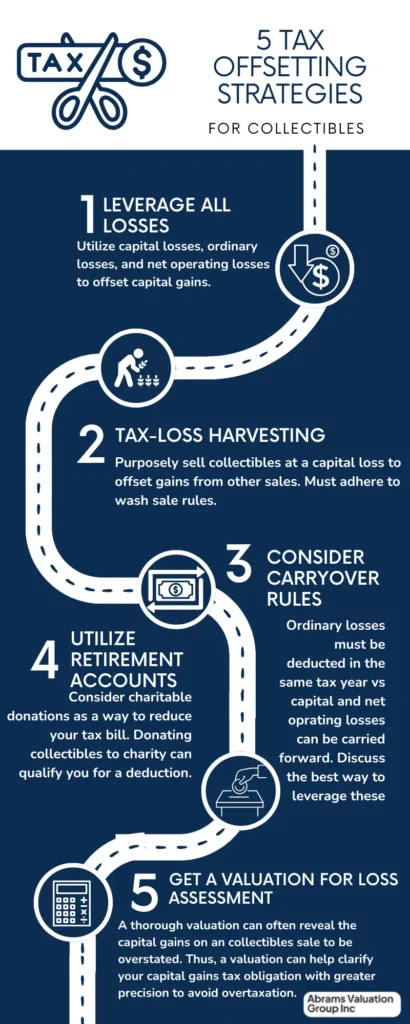
The sale of collectibles can have significant income tax implications, including the potential for capital gains tax and ordinary income tax. Taxable income from collectibles can affect an individual’s tax bracket and tax liability, making it essential to employ sufficient tax planning strategies to minimize the tax burden of collectibles and maximize after-tax returns. Financial advisors, accountants, and other qualified financial professionals can help collectors navigate the complex tax rules and develop effective tax planning strategies.
Estimated Tax Payments for Collectibles
If the anticipated income (and consequently taxes) from selling a collector’s item is very high, the collectors may need to make estimated tax payments on taxable gains from the sale of collectibles. Estimated tax payments are required if taxable income exceeds certain thresholds, and failure to make timely payments can result in penalties. Capital loss carryover worksheets can help collectors calculate net capital losses and determine the amount of estimated tax payments required. Tax planning can help collectors minimize the need for estimated tax payments and reduce their overall tax liability.
Unsure about the value of a unique collector’s item and how it might impact your tax liability? Contact AVGI’s professionals today to gain the clarity you’re seeking.


