

Inheriting Stock: Essential Insights for Beneficiaries and Investors
Introduction to Inherited Assets
Inherited stock refers to shares of a company’s stock that you receive from a deceased relative. Understanding the specific company’s stock you inherit is important, as its value, dividend payments, and tax implications can significantly affect your financial situation. Inherited property is automatically treated as a long-term asset, qualifying for lower long-term capital gains tax rates regardless of how long you or the original owner held it.
How you inherit stock will determine how much control you have over the stock positions and how they are taxed. The process of inheriting stock involves legal and tax considerations that can impact your ability to manage or sell the shares. You should request a detailed report from your financial advisor containing information on all the stocks you have inherited, and ask your advisor to give you cost basis information for all inherited stock positions.
It is also important to ask your financial advisor if your inherited stocks pay dividends, how often they are paid, and how much income you should expect to receive. Understanding how to determine the cost basis and potential income from dividends will help you make informed decisions about managing your inherited stock. Consulting with a financial advisor can help clarify these complexities and ensure a comprehensive estate plan is in place.

Probate Process and Transferring Ownership
When a loved one passes away, the process of transferring ownership of inherited stock begins with probate—a legal procedure that ensures the deceased’s estate is settled according to their wishes. Probate is essential for authenticating the will, appointing an executor or personal representative, and making sure all outstanding debts and taxes are addressed before assets are distributed to beneficiaries.
For those inheriting stock, the transfer process typically starts with the executor gathering key documents, such as the death certificate and proof of identity. The executor will then work with the brokerage or financial institution to move the inherited assets into the beneficiary’s name. In many cases, beneficiaries may need to open a new brokerage account to receive the stock. This step is crucial for establishing clear ownership and ensuring the inherited stock is properly managed for tax purposes.

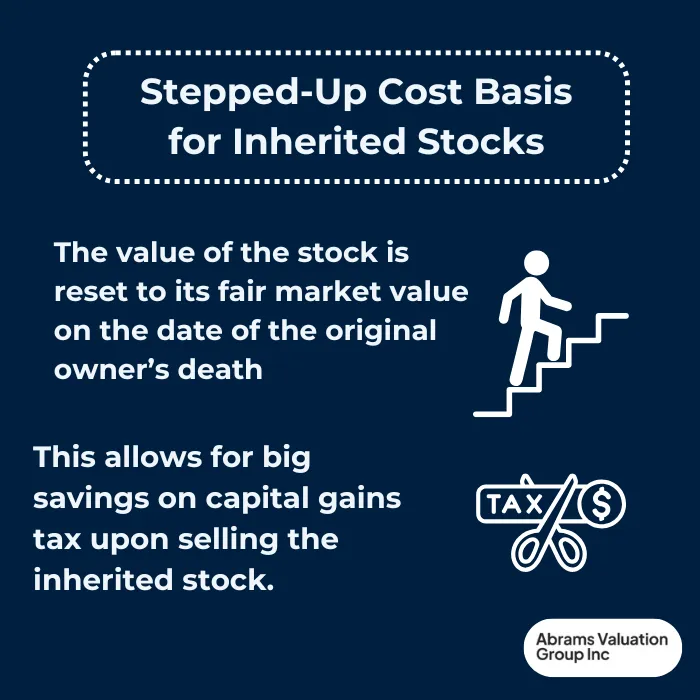
A critical aspect of this process is determining the cost basis of the inherited stock. For tax purposes, the Internal Revenue Service allows a “stepped-up” cost basis, which means the value of the stock is reset to its fair market value on the date of the original owner’s death. This adjustment can significantly reduce the capital gains tax owed if the beneficiary decides to sell the stock later. For example, if the original owner purchased the stock for $10,000 and it was valued at $50,000 at the time of death, the beneficiary’s new cost basis becomes $50,000. If the stock is later sold for $75,000, capital gains taxes would only apply to the $25,000 increase since the date of death.
Navigating the probate process and transferring inherited stock can be complex, especially when considering the tax implications and the need to comply with current tax laws. Working with a financial advisor can help beneficiaries understand their options, manage their new investment portfolio, and make informed decisions that align with their financial future. Additionally, consulting a tax professional ensures that all reporting requirements are met and that beneficiaries pay capital gains taxes only when necessary, minimizing the overall tax burden.
Proper estate planning, including clear instructions in a will or trust, can streamline the transfer of inherited assets and help avoid unnecessary delays or complications. By taking a proactive approach and seeking expert guidance, beneficiaries can protect their inherited wealth, comply with Internal Revenue Service regulations, and create a solid foundation for their long-term financial goals.
Understanding Capital Gains Tax
One of the most important aspects of inheriting stock is understanding the capital gains tax. The difference between the sale price and the cost basis determines your capital gain or loss when you sell inherited stock. If you sell inherited stock immediately, you pay little to no capital gains tax; any gain above the new basis is taxed as a long-term capital gain. You will use IRS Form 8949 to report the sale of inherited stock and calculate gains or losses on Schedule D of your federal income tax return.
There is no federal inheritance tax, but some states—Kentucky, Maryland, Nebraska, New Jersey, Pennsylvania, and Iowa—impose one, which could result in a tax bill. Any dividends earned on inherited stock after the date of inheritance are considered taxable income and may be subject to income tax. Beneficiaries are only responsible for paying taxes on the appreciation of inherited stock after the date of inheritance, and these gains are taxed at the long-term capital gains rate, not as ordinary income.
Cost Basis and Stepped-Up Basis
The concept of cost basis is central to minimizing taxes on inherited stock. The step-up in basis rule means that the cost basis of the stock is adjusted from the original cost basis—such as the original cost, original purchase price, or original value—to the fair market value at the original owner’s death. This adjustment occurs at the original owner’s death and allows beneficiaries to avoid capital gains taxes on any appreciation that occurred during the decedent’s lifetime.
To determine the new cost basis, it is important to establish the fair market value at the time of inheritance. The trustee should ascertain the cost basis of the inherited stock before transferring it to the beneficiary. Understanding these rules is essential for accurate tax calculations and for minimizing your tax liability. For more detailed information, the IRS provides guidance on capital gains tax rules for inherited property.
Managing Inherited Stocks
Once you’ve inherited stock, it’s important to consider how these new assets fit into your existing portfolio. Assess whether the inherited stock positions are properly diversified, and determine if reallocating funds into other investments, such as mutual funds or ETFs, may better support your long-term financial strategy. Inherited stocks can also provide money for other financial goals if you decide to sell them.
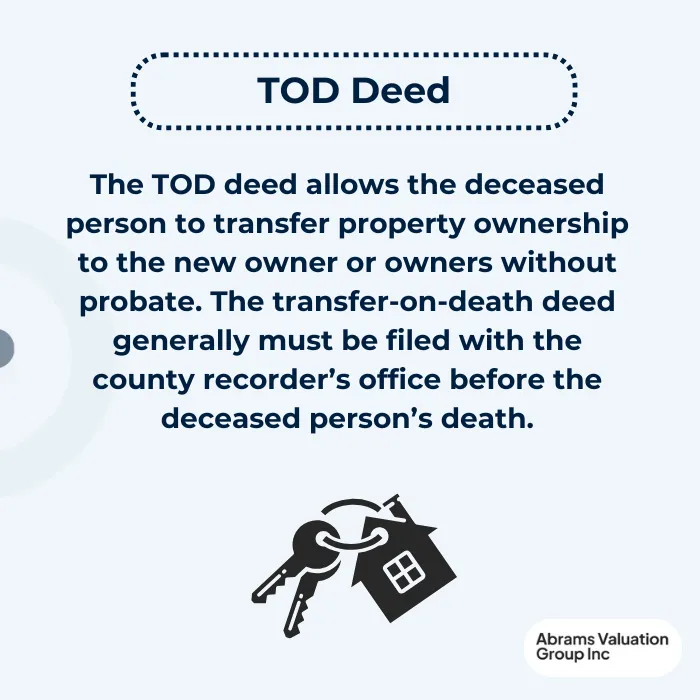
If you are named a Transfer on Death (TOD) beneficiary, stocks can transfer directly to your brokerage account without going through probate. To transfer inherited stock ownership, you will need the decedent’s death certificate and possibly probate court orders. The executor of the estate will handle the necessary paperwork for stock transfers. The transfer process for inherited stock can involve either stock certificates or electronic transfers to the beneficiary’s brokerage account. After providing a death certificate, proof of identity, and other required documents, the heir can transfer the shares into their account or sell the shares for proceeds.
As you manage these investments, consider your own risk tolerance, investment goals, and the potential tax consequences of holding or selling the shares, including the impact on capital gains and dividend income. Regular consultation with a financial advisor can help you make informed decisions that align with your long-term financial goals.
Working with a Financial Advisor
A financial advisor plays a vital role in helping beneficiaries navigate the complexities of inheriting stock. Advisors can clarify the tax implications, help you decide whether to sell or hold the stock, and assist in building a diversified portfolio with your inherited assets. They can also explain how your inherited stock positions—including any dividends or income they generate—can help you achieve your short, medium, and long-term financial goals. Discussing dividends as a source of income is important for shaping your investment strategy and understanding the impact on your taxable income.
Seeking out a financial advisor with experience in estate planning and inherited assets ensures that you receive tailored advice. The National Association of Personal Financial Advisors (NAPFA) offers a directory of fee-only advisors who can help you manage inherited wealth.
Estate Planning Considerations
Proper estate planning is essential for anyone inheriting stock. Estate tax and inheritance tax are important considerations in estate planning; while estate tax is a federal tax on the transfer of wealth at death, inheritance tax is imposed by some states on the recipients of inherited property. Having a comprehensive plan—including a will, trust, and powers of attorney—can help minimize probate, reduce estate taxes, and ensure a smooth transition of assets to heirs.
Revocable trusts allow the grantor to retain control and make changes during their lifetime, while irrevocable trusts generally cannot be altered and may offer different tax advantages and protections for inherited stock. Inherited IRAs have their own rules and tax implications, including required minimum distributions and potential tax liabilities. Estate planning also allows beneficiaries to address tax issues proactively and avoid costly mistakes. If multiple beneficiaries cannot agree on how to distribute the stock, it may lead to disputes that require careful review of the trust’s terms. A tax professional can provide insights into the latest laws and strategies for handling inherited stock and other assets.

Selling Inherited Assets
Selling inherited stock allows you to convert your shares into cash, which can then be transferred to your bank account for liquidity or reinvestment. However, selling inherited stock can trigger capital gains taxes, so it’s important to weigh your options before making a decision. Beneficiaries should consider the timing of the sale and the impact on their overall tax situation. Strategies such as tax-loss harvesting or spreading sales over multiple years may help reduce the tax burden. Consulting with a financial advisor can provide further guidance on selling inherited assets in a way that aligns with your estate plan and minimizes taxes.
Mitigating Risk and Maximizing Returns
Managing inherited stock isn’t just about taxes—it also involves balancing risk and reward. Diversifying your portfolio is one of the best ways to manage risk and maximize returns. A financial advisor can help you allocate your inherited assets effectively and plan for long-term growth. It’s also important to remember that past stock performance doesn’t guarantee future returns, so a forward-looking strategy is essential.
Conclusion and Next Steps
Inheriting stock presents both opportunities and challenges. By understanding tax implications, leveraging strategies like the stepped-up basis, and working with financial and tax professionals, beneficiaries can make the most of their inherited assets. Proactive estate planning and informed decision-making can help ensure a secure financial future for you and your heirs.


