

Is a High Valuation Always a Good Thing?
In today’s competitive business landscape, achieving a high valuation is often celebrated as a sign of growth, potential, and market confidence. For startups and established companies alike, a soaring valuation can attract media attention, investor interest, and top talent. However, while high valuations may seem desirable, they can also create significant challenges and unintended consequences. In some cases, an inflated valuation can become a double-edged sword, exposing businesses to risks that threaten their long-term success and stability. AVGI experts explore this phenomenon and highlight five scenarios in which a high valuation isn’t to the company’s benefit.
5 Real-World Scenarios Where a High Valuation Can Be Detrimental

Increased Tax Liability During Exit
When a company is valued highly, especially in jurisdictions with wealth or capital gains taxes, founders and early investors may face significantly higher tax liabilities upon a liquidity event (such as a sale, IPO, or merger). For example, if a startup is valued at $1 billion but is later sold for only $600 million, taxes may be assessed based on the higher earlier valuation, resulting in stakeholders being taxed on “phantom gains” that never materialize. This can have a significant financial impact, particularly where tax is due on unrealized appreciation or where tax calculations are based on the most recent valuation.Down Round Risk and Reputation Damage
Raising capital at an inflated valuation can set the company up for a “down round” later—i.e., a subsequent funding round at a lower valuation. For instance, if a company raises a Series B at a $500 million valuation but fails to meet growth targets, it may have to accept a $300 million valuation in its next round. This not only dilutes existing shareholders more severely but also can damage the company’s reputation, make it harder to attract investors, and demotivate employees whose equity is now worth less.Difficulty Attracting and Retaining Talent
High valuations often result in higher strike prices for employee stock options. If the company’s true value stagnates or declines, these options may end up “underwater” (worthless), reducing their incentive value. For example, if a tech startup’s valuation jumps to $2 billion and offers new hires options priced at that level, but the company does not live up to expectations, those options may provide little or no financial benefit to employees, making it harder to recruit and retain talented staff.Hindering Strategic Acquisition Opportunities
A high valuation can set unrealistic expectations for acquisition offers. Acquirers may balk at paying prices implied by the lofty valuation, especially if financial or performance metrics don’t support it. For instance, a company valued at $1 billion may scare off potential buyers who value it closer to $600 million, resulting in missed exit opportunities or protracted negotiations that can distract management and harm business operations.Unrealistic Stakeholder Expectations
Inflated valuations create pressure on management to deliver rapid growth and high performance to justify the number. If the company cannot meet these expectations, it may face increased scrutiny from investors, employee disappointment, and even board intervention. For example, venture-backed startups sometimes see boards replace founders or CEOs if targets tied to the high valuation are not met, leading to instability and loss of vision.
Summary:
While a high business valuation can seem like a marker of success, it can introduce a range of financial and strategic risks that may ultimately harm the company and its stakeholders.
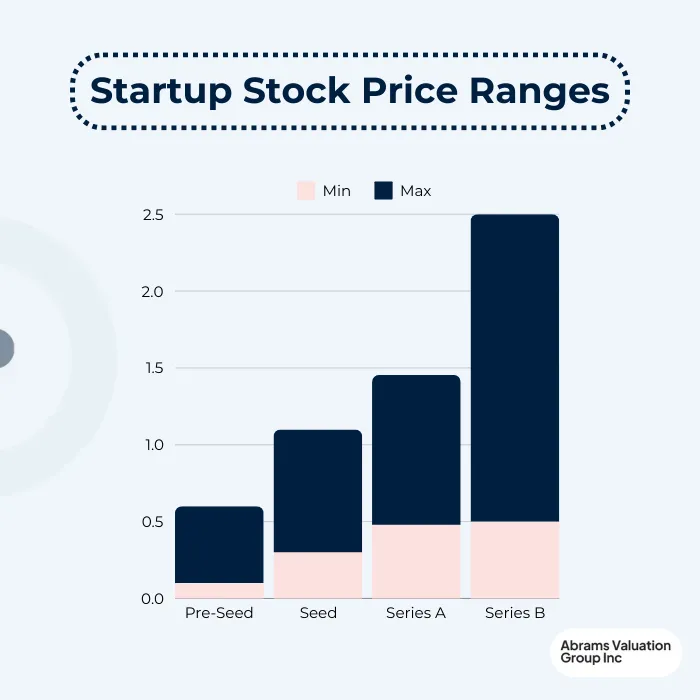
Market Influence: How High Valuations Shape Perception and Competition
High valuations do more than just boost a company’s profile—they actively shape how the market, investors, and competitors perceive and interact with high-growth companies. When a business achieves a premium valuation, it often signals to the stock market and the broader investment community that the company is poised for future success. This perception can attract more investment, open doors to new funding opportunities, and help recruit top talent eager to join a rising star.
For software companies and other high-growth sectors, high valuations are frequently seen as a badge of innovation and market leadership. Investors, including those managing retirement plans and institutional funds, often look at past performance and future earnings potential when deciding where to allocate capital. A strong valuation can indicate a robust business model and a capable team, making the company more attractive to those seeking long-term growth and value.
However, the flip side is that high valuations can also set the stage for inflated expectations. Early-stage companies that secure a high valuation in a fundraising round may find themselves under intense pressure to deliver rapid growth and justify their price. If the company’s performance falls short, the risk of an inflated valuation becomes clear—investors may lose confidence, and the company’s value can decline sharply, sometimes even more than the broader market during the same time period.
In extreme cases, the gap between valuation and actual business fundamentals can lead to a loss of trust among investors and customers. This can make it harder to raise money in the next fundraising round, as new investors scrutinize the company’s ability to meet its ambitious targets. The focus shifts from past achievements to the company’s current performance and its realistic prospects for future growth.
To navigate these challenges, companies must align their investment objectives with a reasonable valuation range that reflects both their current assets and their long-term potential. This means carefully considering the costs and benefits of accepting a high valuation, especially when planning for future funding rounds. Companies should be prepared to clearly communicate their growth strategy, demonstrate strong free cash flow or earnings, and show how they plan to use new capital to create additional value.
Ultimately, while a high valuation can provide access to more money and enhance a company’s market position, it also raises the stakes. Companies must balance the desire for a higher multiple with the need to deliver consistent results and manage risk. By focusing on building strong businesses, maintaining a talented team, and setting realistic expectations, companies can leverage high valuations to their advantage—without falling into the trap of inflated valuation that can undermine long-term dered success.
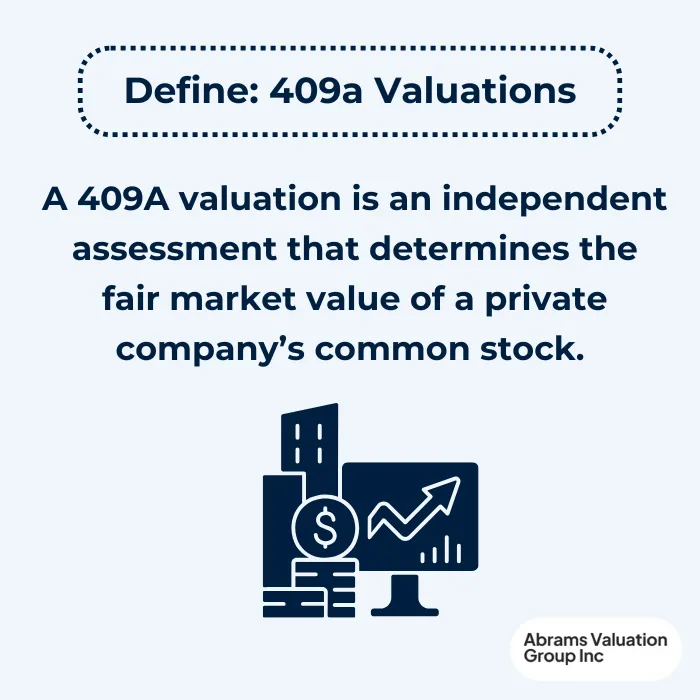
High Valuation Challenges for High-Growth Companies
High valuations are especially common in ‘hot’ high-growth sectors like AI and climate tech, driven by investor excitement. That comes with its own set of challenges specific to high-growth companies. This underscores the importance of achieving a valuation that accurately reflects a company’s true worth, rather than simply chasing impressive numbers.
Tech companies tend to differ from traditional companies in that they achieve lower marginal costs as they gain new customers. High-growth companies often require little fixed capital, leading to high returns on invested capital once profitable. Discounted cash flow valuation is effective for these companies, starting with long-term market development and working backward to current performance. It is important to note that excellent execution is required to meet future fundraising metrics, especially following a high valuation, and that different probability-weighted scenarios should be considered. Founders should be prepared with a reasonable range of valuations to avoid future fundraising troubles, as stock prices of high-growth companies can be volatile due to uncertainty.
High valuations can result in higher strike prices for future hires’ options, while founders who avoid inflated valuations may be better positioned for future fundraising. Investors typically seek at least a 3x return on investment, which raises the minimum sale price required for profit, and they prioritize predictable, repeatable cash flow over raw accounting profits.
The risk of loss increases in high-stakes, high-valuation environments, and investors often expect a 2–3x increase in valuation with each subsequent round for high-valuation startups. The exchange commission, such as the US Securities and Exchange Commission, plays a key role in overseeing valuation practices, especially for high-growth tech companies. Understanding the deal structure and term sheet is also crucial when negotiating high valuations.
To ensure your business valuation is both defensible and aligned with your company’s actual performance and prospects, it’s critical to work with experienced professionals. AVGI specializes in providing thorough, objective business appraisals that leverage appropriate valuation discounts when applicable, resulting in a fair and accurate representation of value.
Contact AVGI today to learn how a tailored appraisal can help you protect your business, make informed strategic decisions, and avoid the pitfalls of an inflated valuation.


