

What are the Different Types of Assets?
A Guide to Asset Classification
Businesses often have several different types of assets at any given time, including intangible assets, fixed assets, and current assets. Asset classification allows businesses to manage and track their resources effectively by categorizing assets based on their characteristics, such as liquidity, physical existence, and usage. It’s important to understand the differences between these asset categories in order to run the business effectively and make sound decisions.
Asset classification also helps businesses optimize resource allocation to increase efficiency and generate revenue. These different categories of assets also have differing financial reporting requirements and tax treatment, so it’s crucial for a business owner to understand each category and how to classify their assets.
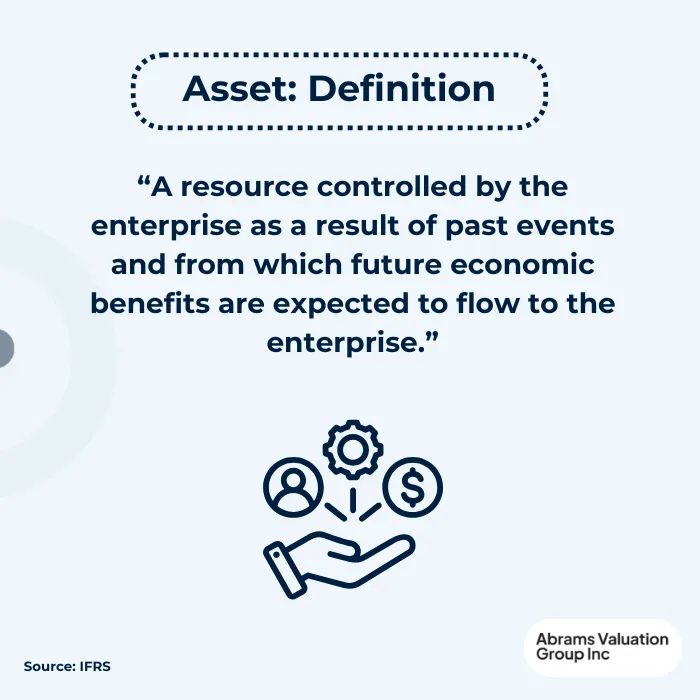
Asset Definition
Before we classify assets, we must first define what an asset is. The IFRS defines an asset as “a resource controlled by the enterprise as a result of past events and from which future economic benefits are expected to flow to the enterprise.” In other words, an asset is something that the company owns that is expected to benefit the company in the near future. Let’s examine the characteristics of an asset more deeply.
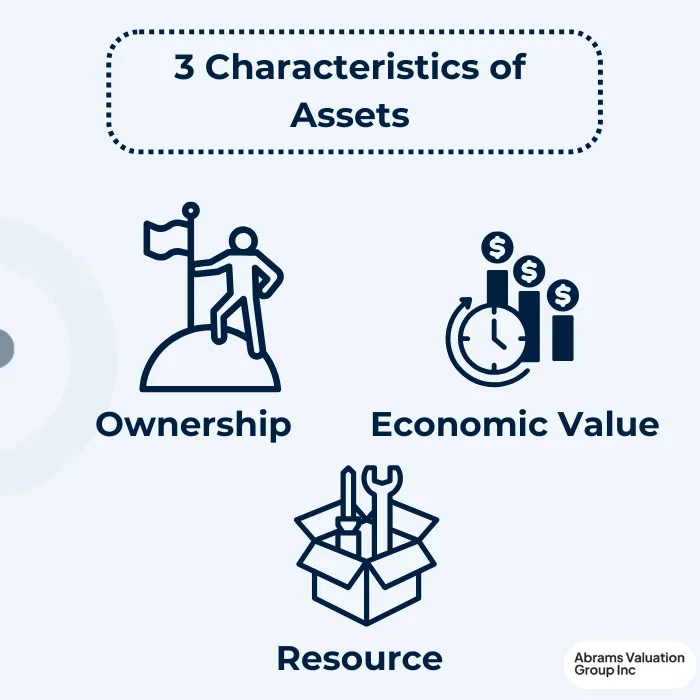
There are 3 main characteristics of an asset:
Ownership: The company holding the asset has ownership over it and the ability to sell it for cash.
Economic Value: The asset is independently valuable and can be bought, sold, or exchanged.
Resource: The asset is a resource that can generate revenue or other economic value to the company.
These three elements give an asset its value. There are multiple ways to categorize assets depending on what aspect or characteristic is under scrutiny. informs how they should be categorized.
Categorizing Different Types of Assets
Assets are generally categorized in one of 3 ways:
Convertability: How hard is it to convert the asset to cash?
Physical Existence: Is the asset physical or intangible?
Usage: Is the asset used in regular business operations or not?
We’ll examine each category and the types of assets that fall into each category presently.
Classifying Different Types of Assets by Convertibility
This breaks down assets by how easy or difficult it is to convert the asset into cash- in other words, what is the asset’s liquidity? If assets are categorized this way, they are described as either current assets or fixed assets. Alternatively, assets can be described as short term (current) or long term (fixed).
1. Current Assets
Current assets are assets that can easily be converted into cash (generally in less than 1 year). These include:
- Cash or equivalents
- Mutual Funds
- Inventory
- Accounts receivable (A/R)
- Marketable securities
- Office supplies
2. Fixed Assets
In contrast, fixed assets are harder to sell and would take more than a year to convert into cash. These long-term or hard assets may be difficult to sell because of the legal processes involved or due to the specialized nature of the asset, which may have a very limited market.
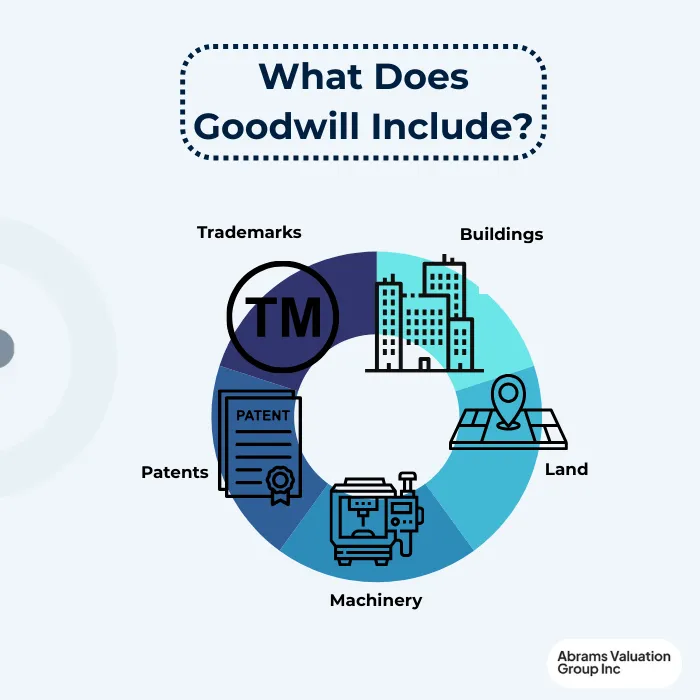
Fixed assets include
- Property (building)
- Undeveloped land
- Machinery and Special Equipment
- Patents
- Trademarks
Classifying Different Types of Assets by Physical Presence
Another way to classify assets is by their physical presence- are they tangible or intangible?
1. Tangible Assets
These assets have a physical presence and can be described with the five senses. Tangible assets are often but not necessarily used in daily operations to generate income. Examples of tangible assets include:
- Cash and equivalents
- Equipment and machinery
- Real estate
- Undeveloped land
- Inventory
- Office supplies
2. Intangible Assets
Intangible assets lack physical presence but provide significant economic benefits and value to a company. These include assets like:
- Brand recognition
- Trademarks
- Patents
- Intellectual Property
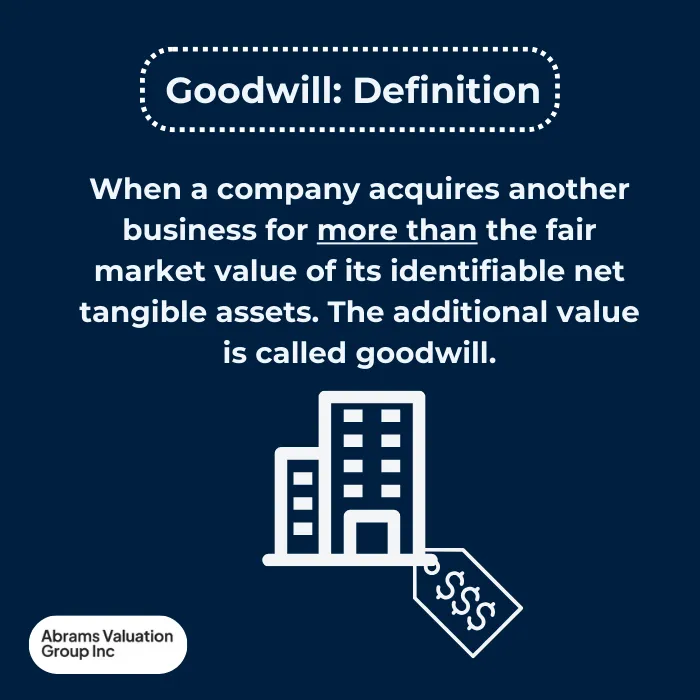
- Goodwill
- Vendor and Customer Relationships
Classifying Different Types of Assets by Usage
Assets can also be categorized based on their usage or purpose in the company. Then assets are defined as either operating assets or non-operating assets.
1. Operating Assets
Assets used in daily business operations to generate revenue and keep the business profitable. These types of assets can include:
- Cash
- Accounts receivable (A/R)
- Real Estate
- Equipment & Machinery
- Patents
- Copyrights
- Intellectual Property
- Goodwill
- Vendor and Customer Relationships

2. Non-Operating Assets
These assets are not used in daily operations but can still create revenue, if needed. Examples include:
- Undeveloped land
- Short-term investments
- Interest income
- Marketable securities
Why is It Important to Classify Assets?
Analyzing the different groupings of assets reveals different pieces of information about the company in question. Classifying assets is the first step to analyzing the asset groupings, which enables company owners, potential investors, and business valuation experts to draw important conclusions about the company’s financial health and total worth.
Examining the company’s ratio of current assets vs fixed assets is crucial in assessing the company’s net working capital. Looking at a company’s tangible vs intangible assets can reveal critical insights about its solvency, particularly in high-risk industries. Studying the ratio of operating to non-operating assets can reveal how much of the company’s revenue is generated by its core business activity.
Overall, classifying a company’s different types of assets is an important step in analyzing the company both internally, to identify areas of improvement, and externally, for valuation and investment purposes. To explore how an asset-based valuation can benefit your business, contact Abrams Valuation Group, Inc. today for expert assistance tailored to your needs.


