

Hidden Value: Uncovering Intangible Assets During Litigation Valuations
By the AVGI Business Valuation Expert Team
Introduction
In the realm of business litigation, hidden value is the worth tied to intangible assets that may not be obvious—or accurately reflected on a company’s balance sheet or financial statements under standard accounting treatment—but can materially change a business valuation. While tangible assets like real estate, equipment, and inventory are more straightforward to appraise, the true value of a business often lies beneath the surface in assets such as trademarks, customer relationships, intellectual property, goodwill, licenses, and proprietary data.
For business owners, attorneys, and financial planners dealing with damages claims, equitable distribution, buyouts, or settlements, recognizing those hidden assets is often decisive. In this article, AVGI’s team of business valuation experts examines how to identify hidden value in litigation, the legal and valuation complexities involved, and best practices for uncovering and reporting intangible assets that can significantly affect the outcome of a case.
What Are Intangible Assets on a Company’s Balance Sheet?
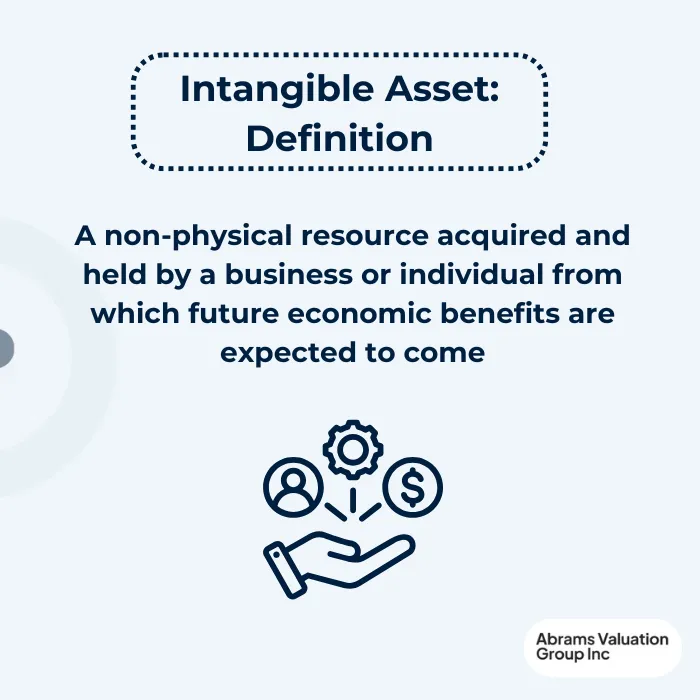
Intangible assets are non-physical resources that confer competitive advantages and economic benefits to a business. Common examples include:
- Trademarks and Brand Recognition
- Customer Relationships and Contracts
- Proprietary Technology and Intellectual Property
- Trade Secrets
- Non-Compete Agreements
- Goodwill
- Licenses and Permits
- Proprietary Data and Analytics

While tangible assets like real estate may have a clearer fair market value, some asset value exists but is not accurately reflected on a company’s balance sheet or in financial statements because of accounting treatment, so book value can differ from market value. These assets can dramatically sway a company’s perceived and actual value—especially when their existence or magnitude is revealed during litigation.
The Complexity of Uncovering Intangible Assets in Litigation
Litigation often involves a deep dive into a business’s operations, documents, and data, because an intangible asset can exist even when its book value is low or not reflected on the balance sheet, and disputes may require comparing recorded amounts with market value or fair market value. Unlike tangible assets, these assets may be understated, so uncover hidden values takes real effort and careful research into different aspects of the company. The discovery process can unearth documents or data that prompt a reassessment of value; for example, it may reveal overlooked sources of brand strength or customer loyalty and generate practical ideas for valuation. This work should also keep a clear focus on what the records actually show. Key complexities include:
1. Trademarks and Brand Recognition
Scenario: Discovery reveals a registered trademark or a strong brand with established market presence.
Litigation Impact: Brand value can justify more serious damages or support a premium in buyout negotiations.

2. Customer Relationships and Contracts
Scenario: New evidence of lucrative long-term customer contracts or recurring revenue streams.
Litigation Impact: Reliable, loyal customer bases increase business value and can impact damage awards or settlement terms.
3. Proprietary Technology and Intellectual Property
Scenario: Uncovered patents, copyrights, or proprietary algorithms during document review.
Litigation Impact: IP can be a primary hidden value driver, especially in tech or biotech sectors, affecting compensation or division of assets; over time, customer loyalty may also become an intangible asset that supports recurring revenue and long-term growth, a point that can matter to investors assessing the security of an investment in related stocks.

4. Trade Secrets
Scenario: Evidence of confidential processes, formulas, or business methods emerges.
Litigation Impact: Protection and valuation of trade secrets can influence injunctive relief, damages, and settlement outcomes.
5. Goodwill
Scenario: Discovery reveals strong reputation, loyal staff, or exceptional supplier relationships, along with institutional knowledge and a resilient culture that support long-term business success.
Litigation Impact: Goodwill is often contested but can add significant value beyond measurable assets, and operational improvements can leverage trade-secret value more effectively once the underlying process or method is identified, improving the odds of success.
6. Licenses, Permits, and Franchises
Scenario: Exclusive distribution rights, government licenses, franchise agreements, or exclusive rights tied to resources that were acquired in a transaction are identified; in some cases, the purchase price on the balance sheet may understate current value, and goodwill may also stem from organizational culture and institutional knowledge, not just reputation and relationships.
Litigation Impact: Such rights can be unique value drivers, especially in regulated industries, because they often support long-term success and broader business success beyond measurable assets.
7. Proprietary Data and Analytics
Scenario: Internal databases or customer analytics tools are unearthed, along with licenses, franchise agreements, or exclusive rights acquired earlier at a historical purchase price.
Litigation Impact: Data-driven capabilities may lead to higher valuations in industries where analytics confer advantage, especially where leadership has tied them to innovation and strategic growth.
Other Areas Impacting Fair Market Value and Litigation Valuations
Beyond intangible assets, several other areas can shift value during litigation:
- Contingent Liabilities: Discovery of pending litigation or off-balance-sheet obligations can lower value.
- Employee Non-Compete and Non-Solicit Agreements: These can protect value or, if unenforceable, diminish it.
- Key Person Dependencies: Identification of critical personnel risk can adjust value downward if not mitigated.

- Earnouts and Deferred Revenue: These impact cash flows and future value.
- Litigation Impact: Proprietary data and analytics can support innovation and monetization, including licensing or new product development, and may reveal hidden value in prime property, real estate assets, underused properties, or opportunities for greater value.
Legal Obligations and Reporting Standards for Valuation Professionals
When new intangible assets or value-affecting information is discovered during litigation, business valuation professionals must adhere to:
- Professional Standards (USPAP, ASA, NACVA, IVS): Require objectivity, due diligence, and full disclosure of material factors affecting value.
- Duty to the Court: Valuators serve as impartial experts, reporting all relevant findings regardless of which party engaged them.
- Updated Reports: Significant discoveries may necessitate a revised or supplemental valuation report.
- Transparency: All material assumptions and methodologies must be documented and explained.
- Real Estate and Other Property: In some organizations, litigation also uncovers real estate assets or other properties with hidden value, particularly where prior management assumptions understated a prime property’s appreciated worth.
Failing to disclose hidden value or material findings can result in professional censure, disqualification, or even legal liability for valuators, and this can also expose gaps in leadership and leadership development around oversight.
Recommendations and Solutions
For Each Scenario:
Early and Thorough Discovery: Collaborate closely with legal counsel to identify and request all documents and data related to potential intangible assets, including possible hidden assets.
Specialist Involvement: Engage IP, technology, or industry specialists as needed to evaluate complex assets and support the finance analysis.
Regular Communication: Maintain open channels between business owners, attorneys, and valuators to ensure timely disclosure and understanding of new findings that could affect money at stake.
Dynamic Valuation Process: Be prepared to update the valuation as new information emerges—litigation timelines often necessitate flexibility.
Comprehensive Documentation: Meticulously document all assumptions, sources, and analyses, especially when incorporating newly discovered intangibles.
Legal and Ethical Compliance: Always adhere to applicable standards and court orders regarding supplemental reporting and testimony.
Effective valuation strategies should encourage systematic development of facts across the firm during litigation.
Conclusion
Uncovering hidden intangible assets during litigation can dramatically reshape the valuation landscape and the outcome of a case. For business owners, attorneys, and financial planners, a practical checklist helps because most people start too narrowly: request complete document production, including contracts, tax filings, customer data, IP files, and finance records; bring in investment research or finance specialists when the dispute touches market assumptions; keep the central point in view by updating schedules and models as facts change, since dynamic updates can protect value by preventing money-losing omissions; and use the process to sustain interest through clear milestones grounded in lessons refined over decades.
Even across a fast-moving business world, any unused time in the case schedule can support skills development, deeper analysis, or even income-producing work when new issues arise. By understanding the potential for hidden value and proactively managing the valuation process, stakeholders can position themselves for fairer, more accurate litigation outcomes.


