
When Owners Disagree: Valuation Approaches in Partner and Shareholder Disputes
Shareholder and partnership disputes are among the most challenging issues facing privately held companies and their advisors. When business owners find themselves at odds—whether due to diverging visions, deadlock on key decisions, or one party’s desire to exit—the question of “what is the business worth?” takes center stage. For business owners, attorneys, and financial planners, understanding how valuation methodologies can assist in such disputes is crucial for achieving fair and equitable outcomes.
The Complex Nature of Shareholder Disputes
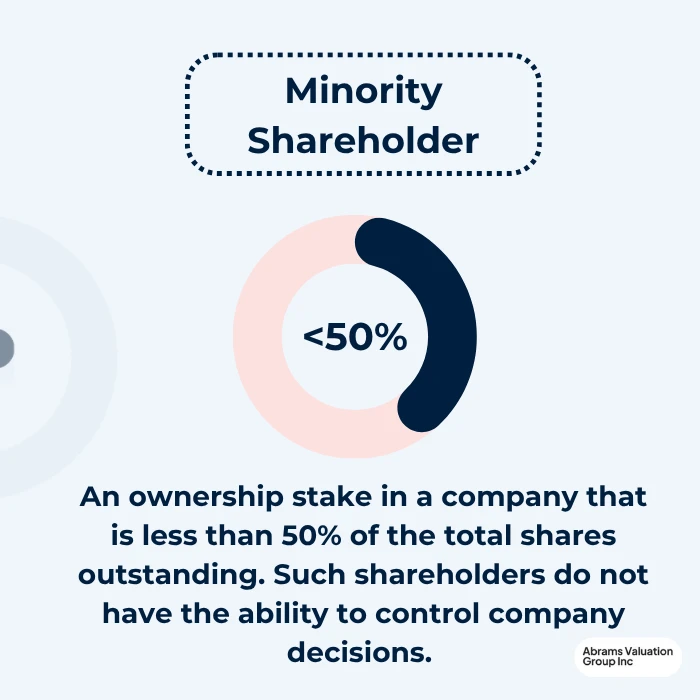
Disagreements among owners can arise from a variety of sources: deadlock over strategy, alleged breaches of duty, differing contributions of time or capital, or personal rifts. These disputes often escalate into litigation or forced buyouts, and minority shareholders may bring shareholder oppression claims under state law; in severe cases, minority owners may seek involuntary dissolution, especially where majority shareholders shut them out. Shareholders may also take legal action against directors for alleged mismanagement or breaches of fiduciary duty when the company is harmed. The complexity increases when the business is closely held, as there is no public market to establish a clear value for the ownership interests involved.
Example: Consider a family-owned manufacturing company where two siblings each own 50%. After years of harmony, one wishes to retire and cash out, while the other wants to reinvest profits into expansion. Their disagreement on value—one shareholder believing the business is worth more than the other shareholders are willing to pay—can quickly become contentious, especially when personal relationships in the family business shape the conflict.
Why Impartial Valuation Is Essential
An unbiased, professional business valuation becomes indispensable in these situations. The first step in many shareholder disputes is reviewing the shareholder agreement, the company’s articles, and related governing documents. Unlike parties with personal or financial stakes, a qualified valuation expert brings objectivity, using established methodologies to assess the company’s worth. This impartiality is vital for:
- Facilitating Negotiations: A credible valuation provides a starting point for buy-sell discussions.
- Informing Litigation: Courts often rely on expert valuations to determine fair value in forced buyouts or dissenter rights cases.
- Preventing Future Disputes: The strongest way to prevent disputes is a well-designed Shareholder Agreement with valuation provisions and dispute-resolution mechanisms that support fairness.
These agreements can govern business operations, ownership transfers, voting rights, profit distribution, and decision-making processes.
Clear roles, regular financial reporting, and defined shareholder decisions can support shareholders’ rights, strengthen minority rights, and improve decision-making for minority owners where default corporate laws may not.
Key Valuation Methodologies in Disputes
There are several primary approaches to business valuation, each with strengths and limitations in the context of shareholder disputes. These disputes often involve structured claims and remedies governed by civil procedure, not valuation alone:
Income Approach
This method estimates value based on the present value of expected future economic benefits (often cash flows or earnings). Discounted Cash Flow (DCF) analysis is commonly used, incorporating projections and risk assessments.

Application in Disputes:
- Useful when the company is profitable and future performance can be reasonably estimated.
- Valuation evidence may also be used in direct actions or derivative claims when shareholders allege harm to the company from directors’ conduct, including a derivative action for breach of fiduciary duty.
- Disagreements may arise over projections and discount rates, making impartial expertise critical.
Market Approach
This compares the business to similar companies that have been sold or are publicly traded. The guideline company method and precedent transactions are common techniques.

Application in Disputes:
- Effective when comparable data exists.
- Individual shareholders may seek access to company records, financial statements, and meeting information to test assumptions used in the valuation, since every shareholder has the right to attend relevant meetings and shareholders based on ownership rights may challenge unsupported inputs.
- Dispute complexity increases if the business is unique or if there are few comparable transactions.
Asset Approach
Here, the business’s value is based on the fair market value of its assets minus liabilities. Often used for asset-intensive businesses or when the company is not a going concern.

Application in Disputes:
- Useful if there is disagreement over the value of tangible or intangible assets.
- Asset values also matter when shareholders pursue winding-up remedies and seek their proportional share of company assets, and the legal process follows structured stages.
- Can be contentious if parties disagree about asset obsolescence or impairment.
Factors That Complicate Shareholder Disputes
Several factors can complicate the valuation process in owner disputes:
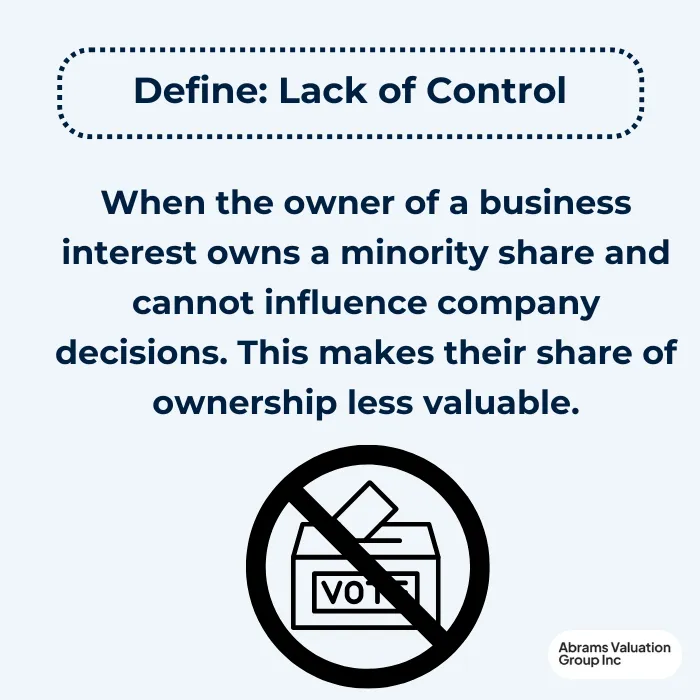
- Minority Discounts: Should a minority interest be valued at a discount? The answer depends on the jurisdiction and the specific circumstances of the dispute, especially in closely held companies where valuation fights can overlap with unfair prejudice claims and oppression standards for a closely held business that vary by state, including the rule that minority shareholders can claim oppression under Massachusetts law when majority owners act in an unfairly prejudicial way or engage in unequal treatment.
- Control Premiums: If one party acquires a controlling interest, should the value reflect a premium?
- Personal Goodwill vs. Enterprise Goodwill: Is the value tied to the individual owner’s skills or to the business itself?
- Buy-Sell Agreements: Existing agreements may specify valuation methods, but ambiguous or outdated provisions can fuel disputes, and the Shareholder Agreement or corporate bylaws may require mediation or arbitration before litigation.
Arbitration can provide a binding decision from a neutral third party in corporate disputes where valuation is contested.
Example: In a medical practice, one partner accuses another of diverting patients by taking clients for personal gain, a form of self-dealing that can affect the goodwill analysis. The dispute centers on whether the business’s goodwill resides in the practice or with the departing doctor. An expert valuation can help untangle these issues using industry benchmarks and legal standards.
The Role of the Valuation Expert in Assessing Fiduciary Duty
AVGI business valuation experts act as neutral third parties, conducting thorough analyses and providing defensible reports suitable for negotiation, mediation, Arbitration, court proceedings, and broader dispute resolution. Their involvement:
- Ensures all stakeholders have access to the same financial facts. Mediation is a common, voluntary, non-binding way to resolve shareholder disputes, and it can produce creative solutions before costly litigation.
- Helps attorneys and financial planners navigate technical valuation issues.
- Offers testimony or expert opinions in litigation, supporting their conclusions with data and accepted practices.
Valuation experts can also help resolve disputes involving conflict over critical decisions, voting power, or the treatment of minority owners and majority shareholders.
Conclusion: Valuation as a Pathway to Dispute Resolution Mechanisms
When shareholder disputes threaten the stability of a business, early valuation support can help parties resolve disputes before positions harden. By applying the appropriate methodologies and addressing the nuances of each situation, valuation experts help business owners, attorneys, and financial planners achieve equitable outcomes—even amid contention.
For any business facing a potential ownership dispute, seeking expert valuation guidance early, along with early legal review of the Shareholder Agreement and related dispute resolution terms, can make the difference between a protracted battle and a constructive solution, especially in family businesses where personal relationships and decision-making friction can intensify, and where early planning is especially important for minority shareholders and majority shareholders in closely held companies.


